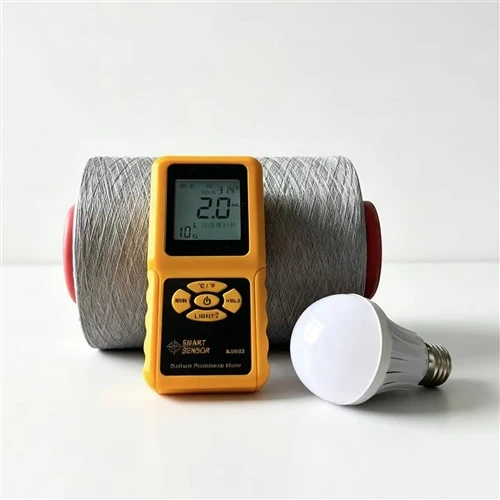
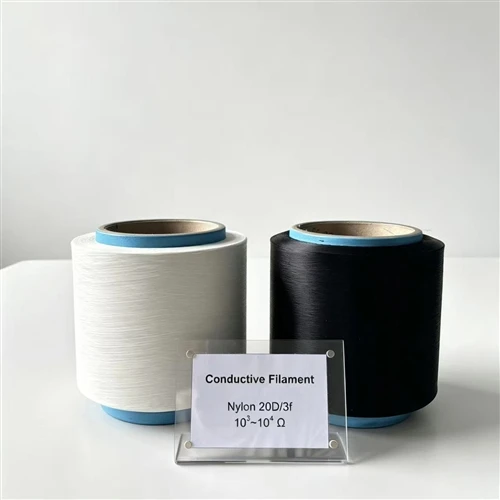
As smart textiles, wearable electronics, and anti-static materials continue to expand across global industries, conductive yarn has become one of the most important functional textile materials in modern manufacturing. From touch screen gloves and ESD protective garments to intelligent wearable systems and industrial sensors, conductive yarn provides the electrical performance required for advanced textile applications.
For manufacturers, textile engineers, and overseas buyers, understanding the electrical properties of conductive yarn is essential when selecting the right material for specific industrial or commercial applications. Conductivity, resistance, capacitance, and inductance all directly influence the performance, durability, and reliability of conductive textile products.
This article explores the key electrical properties of conductive yarn, its working principles, industrial applications, and why conductive yarn is becoming increasingly important in the global textile and electronics industries.
What Is Conductive Yarn?
Conductive yarn is a specialized textile yarn designed to conduct electricity while maintaining the flexibility and processability of traditional textile fibers. It is typically produced by combining conductive materials with synthetic or natural fibers.
Common conductive materials include:
Carbon-based conductive particles
Stainless steel fibers
Silver-coated fibers
Copper filaments
Conductive polymers
Carbon nanotubes
These conductive components are integrated into polyester, nylon, cotton, or blended yarn structures to create textiles capable of transmitting electrical signals or dissipating electrostatic charges.
Conductive yarn combines electrical functionality with textile flexibility, making it ideal for both industrial and wearable applications.
Key Electrical Properties of Conductive Yarn
Electrical Conductivity
Electrical conductivity is one of the most important characteristics of conductive yarn. It refers to the ability of the material to transfer electrical current efficiently.
A yarn with high conductivity allows electrons to move freely through the conductive structure, enabling stable signal transmission and electrostatic discharge performance.
Conductivity is commonly influenced by:
Conductive material content
Fiber structure
Coating technology
Yarn density
Environmental conditions
High-conductivity yarn is particularly important in applications such as:
Touch screen gloves
Wearable electronics
Smart textiles
Signal transmission fabrics
Flexible electronic systems
The higher the conductivity, the faster and more efficiently electrical charges can move through the yarn.
Electrical Resistance
Resistance measures how strongly a material opposes the flow of electrical current.
Conductive yarn typically features low electrical resistance, which minimizes energy loss during current transmission. However, resistance levels can vary depending on the application requirements.
For example:
Touch-sensitive products require very low resistance
Anti-static garments often require controlled resistance
Heating textiles may require moderate resistance levels
Proper resistance control ensures both safety and functionality in conductive textile systems.
In anti-static applications, conductive yarn helps dissipate accumulated electrostatic charges gradually rather than releasing them suddenly as sparks.
Capacitance in Conductive Yarn
Capacitance refers to the ability of conductive yarn to store electrical charge temporarily.
Although capacitance levels in textile yarn are generally small, they become increasingly important in advanced smart textile applications such as:
Wearable sensors
Textile-based touch controls
Health monitoring systems
Flexible electronic circuits
Capacitive conductive textiles can respond to touch, movement, or environmental changes, enabling interactive textile functionality.
As wearable technology evolves, conductive yarn with stable capacitive performance is becoming increasingly valuable.
Inductance and Magnetic Response
Inductance measures the ability of conductive yarn to generate a magnetic field when electrical current flows through it.
While inductance is less critical in basic anti-static textiles, it becomes important in:
Smart wearable electronics
Textile antennas
RFID-integrated fabrics
Signal transmission systems
Electromagnetic shielding materials
The inductive behavior of conductive yarn influences signal quality, electromagnetic compatibility, and communication stability in electronic textile systems.
How Conductive Yarn Works in Textile Applications
Conductive yarn functions by creating a conductive pathway within textile structures. When integrated into woven, knitted, or nonwoven fabrics, the yarn allows electrical charges or signals to move through the textile system.
Depending on the application, conductive yarn may:
Dissipate static electricity
Transfer electrical signals
Sense touch or motion
Generate heat
Shield electromagnetic interference
Connect electronic components
Because conductive yarn remains flexible like traditional textile fibers, it enables the production of soft and wearable electronic materials.
Applications of Conductive Yarn
Anti-Static Garments
One of the largest applications for conductive yarn is anti-static protective clothing.
Industries such as electronics manufacturing, semiconductor production, petrochemicals, and cleanrooms require garments that can safely dissipate static electricity.
Conductive yarn integrated into workwear helps prevent electrostatic discharge (ESD), which can damage sensitive equipment or ignite flammable materials.
Typical applications include:
ESD jackets
Anti-static uniforms
Cleanroom coveralls
Protective gloves
Safety footwear
Controlled resistance levels are especially important in these environments.
Touch Screen Gloves
Touch screen gloves are another major application area for conductive yarn.
Modern touch screens rely on capacitive sensing technology, which requires conductive contact between the user's finger and the screen surface.
Conductive yarn integrated into glove fingertips allows electrical signals from the human body to pass through the fabric and interact with the touch screen.
High conductivity and low resistance are essential for:
Fast response speed
Accurate touch recognition
Stable performance in cold environments
As smartphones and wearable devices become increasingly common, demand for conductive glove yarn continues to grow globally.
Smart Textiles and Wearable Electronics
Smart textiles represent one of the fastest-growing markets for conductive yarn technology.
Conductive yarn is used to connect sensors, LEDs, batteries, and communication devices directly within textile structures.
Applications include:
Health monitoring garments
Sports performance wear
Heated clothing
Military smart uniforms
Flexible medical devices
Interactive fashion
The combination of conductivity, flexibility, and durability makes conductive yarn an ideal material for next-generation wearable systems.
Electromagnetic Shielding Fabrics
Conductive yarn is also widely used in electromagnetic interference (EMI) shielding textiles.
These fabrics help block or reduce electromagnetic radiation generated by electronic equipment.
Common applications include:
Aerospace textiles
Military communication systems
Medical equipment covers
Data center shielding curtains
Electronic device protection
Stable conductivity and proper yarn distribution are essential for effective EMI shielding performance.
Factors Affecting Conductive Yarn Performance
Several factors influence the electrical properties of conductive yarn:
Conductive Material Type
Different conductive materials offer different conductivity levels and durability characteristics.
For example:
Silver provides extremely high conductivity
Carbon offers excellent stability and cost efficiency
Stainless steel improves durability
Yarn Structure
Filament yarn, spun yarn, and blended yarn structures each affect conductivity differently.
Environmental Conditions
Humidity, temperature, and mechanical stress may influence electrical performance over time.
Washing and Abrasion Resistance
For wearable applications, conductive yarn must maintain stable electrical performance after repeated washing and daily use.
Why Overseas Buyers Choose Taierxin Fiber
For global textile manufacturers and industrial buyers seeking reliable conductive yarn suppliers, Taierxin Fiber has established a strong reputation in the conductive textile materials industry.
Taierxin Fiber specializes in conductive yarns, anti-static fibers, and functional textile materials for industrial, electronic, and smart textile applications. The company provides a wide range of products including:
Textile conductive yarn
Conductive yarn for touch screen gloves
Underwear anti-static yarn
Polyester conductive filament yarn
Carbon conductive fiber solutions
ESD protective textile yarns
One of the major strengths of Taierxin Fiber is its focus on stable electrical performance and customized production capabilities. The company supports different conductivity levels, resistance requirements, yarn specifications, and textile application needs for overseas customers.
With advanced manufacturing technology and strict quality control systems, Taierxin Fiber ensures excellent conductivity consistency, durability, and textile compatibility across various industrial applications.
For importers, textile factories, smart textile developers, and industrial fabric manufacturers, Taierxin Fiber provides professional technical support and flexible OEM/ODM services, making it a trusted long-term partner in the global conductive textile market.
Future Trends of Conductive Yarn Technology
The future of conductive yarn is closely connected to the development of intelligent textiles and wearable technology.
Emerging trends include:
AI-integrated smart clothing
Flexible textile sensors
Medical monitoring wearables
Intelligent heating fabrics
Electronic sportswear
Sustainable conductive materials
As the global smart textile industry continues to expand, conductive yarn will play an increasingly important role in connecting electronics with flexible textile systems.
Conclusion
Conductive yarn has become an essential material in modern textile engineering due to its unique electrical properties, including conductivity, resistance, capacitance, and inductance.
These electrical characteristics enable conductive yarn to function effectively in anti-static garments, touch screen gloves, smart textiles, wearable electronics, and electromagnetic shielding fabrics.
As industrial safety requirements and wearable technologies continue to evolve, the demand for high-quality conductive yarn solutions is expected to increase rapidly worldwide.
By offering advanced conductive textile materials, customized solutions, and stable electrical performance, companies like Taierxin Fiber are helping global buyers develop safer, smarter, and more innovative textile products for the future.